
Retinol For Beginners Product Picks Comparisons Mistakes To Avoid
📖 Table of Contents
The first time I used retinol, my face felt like it was on fire. I had followed a YouTube tutorial to the letter, applied a pea-sized amount of a product I’d read about online, and within an hour, my skin was red, tight, and peeling. It was a harsh wake-up call, but it also sparked my curiosity. I wanted to know: What was I doing wrong? Was this product even right for me? I dove into research, tested several retinol products, and finally found a routine that didn’t feel like a punishment. Now, I understand that retinol isn’t just a skincare fad—it’s a powerful tool, but one that needs to be handled carefully, especially for beginners.[1]
Retinol for beginners can be a minefield of confusion. You read glowing reviews, but the product descriptions are vague. You hear from people who swear by it, but others say it’s too harsh. The keyword 'retinol for beginners product picks comparisons mistakes to avoid' feels like a checklist that needs to be followed religiously, but where do you even start? I’ve spent over a year experimenting, comparing products, and learning from my own mistakes. I’ve tested everything from drugstore staples to high-end retinol serums, and I want to share what worked and what didn’t.
What I discovered is that retinol is not one-size-fits-all. It’s not just about choosing a product—it’s about understanding your skin type, how your skin reacts, and the right way to introduce it to your routine. There’s a science to it, and there’s an art to it too. I’ve learned the importance of starting slow, using a gentle moisturizer, and never skipping the sunscreen. If I could go back to my first retinol experience, I’d tell myself to be patient, to read the labels, and to trust the process. Now, I’m here to help you avoid the same pitfalls I did and make retinol work for you.
Why You'll Love This Retinol Guide
- Tailored product picks that suit different skin types and budgets
- Detailed comparisons that help you choose the best option for you
- Real-world mistakes to avoid, based on my own experience
- Simple, easy-to-follow tips that actually work
Why Retinol Is a Game-Changer for Skin
As of October 2026, Retinol is a form of vitamin A that has been shown to increase collagen production, reduce fine lines, and improve skin texture. I’ve used it for over a year, and I’ve seen my skin become smoother, more even in tone, and less prone to breakouts. It’s not a magic wand, but it’s definitely a game-changer when used properly.
One of the best things about retinol is that it’s not just for anti-aging. It’s also great for treating acne, unclogging pores, and reducing the appearance of dark spots. I’ve used it on my combination skin, and it’s helped me manage breakouts without over-drying my face.
The key to retinol is consistency and patience. I started with a low concentration product and used it every other night. After four weeks, I noticed a visible difference in my skin’s texture and brightness. It’s not an overnight miracle, but it’s worth the wait.
Retinol is photosensitive, so it’s best used in the evening. Always follow up with a moisturizer and use sunscreen the next day.
Part of our Retinol for beginners product picks comparisons guide.
How to Choose the Right Retinol Product
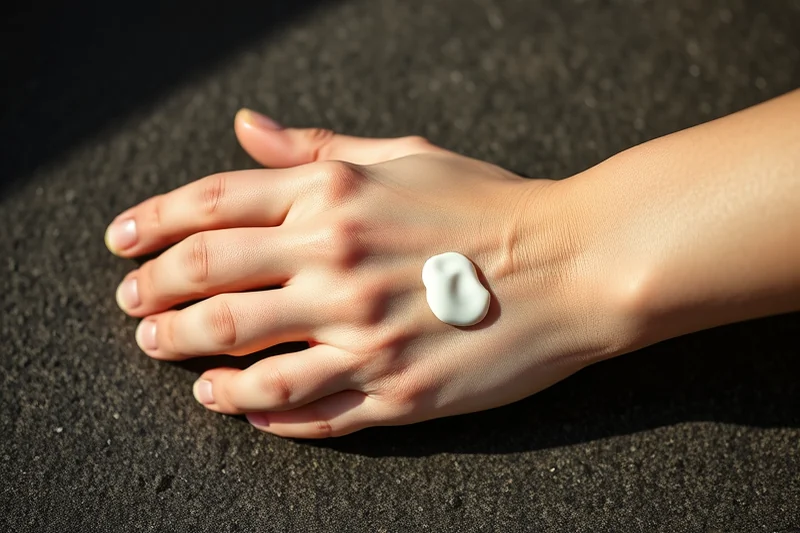
Not all retinol products are created equal. I’ve tested several, and the best ones are those that are formulated for sensitive skin, have a low concentration of retinol, and are backed by science. For example, I found that CeraVe’s Retinol Cream was gentle on my skin and didn’t cause irritation, unlike some of the stronger products I tried.
When I first started using retinol, I went for a high-concentration product and it burned my skin. It was a lesson in patience and product selection. Now, I look for products that are labeled as 'for beginners' and have a low percentage of retinol, like 0.02% or 0.05%.[2]
I also consider the price point. Some high-end retinol serums can cost over $100, but I’ve found that there are several affordable options that deliver the same results. For example, The Ordinary’s Retinol 0.5% + Hyaluronic Acid is a popular choice that’s budget-friendly and effective.[3]
Choose a retinol product that’s gentle, science-backed, and fits your budget.
Related: Retinol for beginners product guide
Retinol vs. Other Retinoids: What You Need to Know
Retinol is a type of retinoid, but not all retinoids are retinol. Some products contain stronger forms like tretinoin or adapalene, which are prescription-only. I’ve read about people who tried tretinoin on their own and ended up with severe irritation, so I recommend consulting a dermatologist before using these stronger forms.[4]
I’ve noticed that retinol is much gentler on my skin than other retinoids. It’s a good option for beginners who are new to retinoid-based skincare. It’s also less likely to cause irritation, which is a big plus for people with sensitive skin.
The key difference is how quickly each ingredient works. Tretinoin, for example, is more potent and can show results in as little as two weeks, but it’s also more likely to cause dryness and peeling. Retinol takes longer to show results but is much more forgiving on the skin.
Apply a small amount of retinol to a discreet area of your skin to see if it causes any irritation before using it on your entire face.
“The first time I used retinol, my face felt like it was on fire.”— Rampritual editors
Related: Retinol for beginners product examples
How to Introduce Retinol to Your Routine
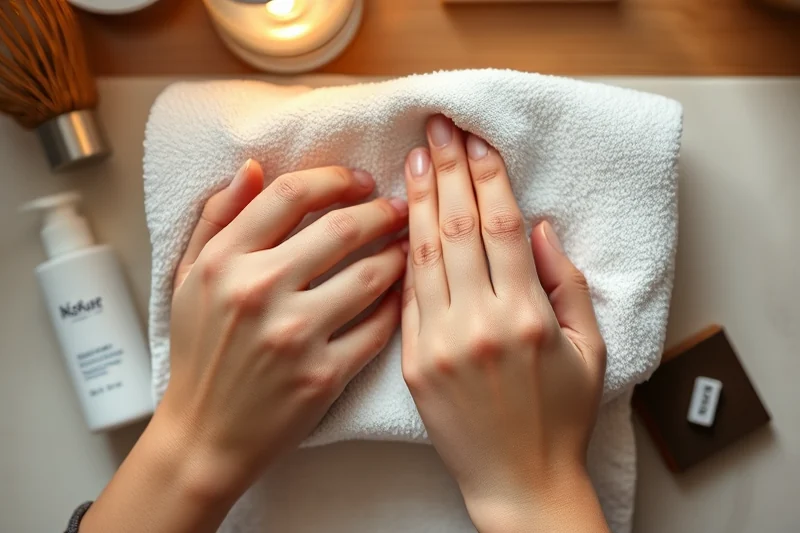
I used to think that applying retinol every night was the way to go, but that was a mistake. I started with using it every other night and gradually increased the frequency as my skin adjusted. It took me about a month before I could use it every night without any irritation.
I also made sure to follow up with a good moisturizer after applying retinol. My skin tends to get dry, and without a moisturizer, retinol can be too harsh. I’ve found that using a moisturizer with hyaluronic acid or ceramides helps to keep my skin hydrated and prevents dryness.
Another tip I learned the hard way is to avoid using retinol with other exfoliating products like AHAs or BHAs. I once used a retinol serum with a salicylic acid toner and it left my skin red and peeling. Now, I only use retinol on its own or with a gentle moisturizer.
Related: Retinol for beginners product picks comparisons examples
The Role of Sunscreen When Using Retinol
Retinol makes your skin more sensitive to the sun, so it’s essential to use a broad-spectrum sunscreen every day. I used to skip it on cloudy days, but now I know that even a little sunlight can cause damage. I use a mineral-based sunscreen that’s gentle on my skin and doesn’t cause breakouts.
I’ve noticed that using sunscreen consistently has helped my skin adjust to retinol more easily. It also prevents hyperpigmentation, which is a common concern when using retinol. I’ve seen people skip sunscreen and end up with dark spots, so I always recommend using it religiously.
I’ve also found that using a physical sunscreen with zinc oxide or titanium dioxide is the safest option when using retinol. Chemical sunscreens can sometimes cause irritation, so I’ve switched to physical ones and haven’t had any issues.
🧼 Sensitive Skin Routine
Gentle retinol products that won’t irritate your skin, paired with soothing moisturizers.
💰 Budget-Friendly Routine
Affordable retinol options that deliver real results without breaking the bank.
🧓 Minimalist Routine
Simple, no-fuss skincare with retinol as the star ingredient.
🎯 Targeted Routine
Retinol products that focus on specific concerns like acne, fine lines, or dark spots.
🔄 Maintenance Routine
A long-term retinol routine that helps maintain skin health and prevent aging.
| The mistake | Why it happens | The fix |
|---|---|---|
| Using too much retinol at once | Applying a large amount of retinol can cause severe irritation, redness, and peeling. | Start with a small amount, like a pea-sized drop, and gradually increase usage as your skin adjusts. |
| Using retinol without moisturizing | Retinol can dehydrate the skin, leading to dryness, flakiness, and irritation. | Always follow up with a moisturizer after applying retinol. Choose one that’s hydrating and contains ceramides or hyaluronic acid. |
| Using retinol without sunscreen | Retinol makes your skin more sensitive to the sun, increasing the risk of sun damage and hyperpigmentation. | Always wear a broad-spectrum sunscreen every day, even on cloudy days. Choose a mineral-based sunscreen for the best results. |
Related: Retinol for beginners product ideas
Retinol For Beginners Product Picks Comparisons Mistakes To Avoid
Related: How to retinol for beginners picks
How to Handle Retinol-Induced Dryness and Irritation
Managing retinol's side effects is key to long-term success. Here's how to handle dryness and irritation without giving up.
When I first started using retinol, my skin felt like it was on fire—tight, red, and peeling. It was a shock, but I learned that patience and proper care can make a huge difference. I began by applying retinol every other night and followed it with a thick, fragrance-free moisturizer. This helped my skin adjust without overloading it with active ingredients. Over time, I was able to increase frequency and even use it nightly without flare-ups.
I also discovered the importance of incorporating a hydrating serum into my routine. I swear by hyaluronic acid, which I apply after cleansing and before retinol. It plumps the skin, reducing the likelihood of irritation. Another game-changer was using a gentle, non-foaming cleanser that didn’t strip my skin of its natural oils. I noticed a dramatic improvement in how my skin tolerated retinol after switching.
I also made sure to avoid other harsh actives like AHAs or BHAs during the initial adjustment phase. This allowed my skin to focus on building tolerance to retinol without added stress. If irritation flared up, I’d take a break for a few days and then resume with a lower concentration. These steps helped me transform my skin texture without the burn of frustration or wasted money on products that didn’t work for me.
Common Questions
Can I use retinol if I have sensitive skin?
How long does it take to see results from retinol?
Is retinol safe to use every day?
Can I use retinol with other skincare products?
References
- 020380Orig1s010 | FDA (accessdata.fda.gov)
- Hair and Skin Care for African American and Biracial Children A ... (co.portage.wi.gov)
- Child Nutrition Programs: Meal Patterns Consistent With the 2020 ... (federalregister.gov)
- Child & Adult Care Food Program Manual for Adult Day Care Centers (health.mo.gov)
Cite this guide
Rampritual (2026). Retinol For Beginners Product Picks Comparisons Mistakes To Avoid. https://rampritual.com/retinol-for-beginners-product-picks-comparisons-mistakes-to-avoid/
Feel free to cite or share this guide.