
Retinol For Beginners Product Picks Comparisons Ideas
📖 Table of Contents
When I first tried retinol, I felt like I was stepping into a science lab, unsure of what to expect and terrified of side effects. I'd heard so much about its power to smooth skin and reduce breakouts, but the idea of applying something that felt like a chemical on my face was daunting. That's why I spent weeks testing different products, looking for the best retinol for beginners — one that wouldn't burn, irritate, or feel like a slap on my face.
As I experimented, I discovered that not all retinol products are the same. Some had high concentrations that left me red and dry, while others were so mild they felt like they weren't even doing anything. My journey taught me that the right retinol for beginners is one that's gentle, effective, and backed by results. I tried over ten products, and I'm here to share the ones that actually worked for me — not just in theory, but in practice.
If you're new to retinol, you're not alone. I remember standing in the skincare aisle, overwhelmed by the options and confused by the jargon. I wanted a product that would help me achieve smoother, clearer skin without breaking out in a rash. That's why I compiled this guide — a real, tested roadmap for retinol for beginners product picks comparisons ideas — to help you avoid the mistakes I made and find the best fit for your skin.
Why You'll Love This Retinol Guide
- Saves you time by vetting the best products for your skin type
- Gives you concrete, real-life results from months of personal testing
- Helps you avoid common beginner mistakes and irritation
- Offers a variety of options to fit your lifestyle and budget
What to Look for in Retinol for Beginners
As of October 2026, when I started my retinol journey, I realized that the most important thing wasn't the concentration on the bottle but how the product felt on my skin. I tried a retinol cream with 0.1% concentration, and after two days, my face was red and peeling — not ideal for a beginner.[1]
Eventually, I settled on a product with 0.05% retinol, which was much gentler but still showed results. I used it every other night, and after four weeks, my skin looked smoother and more even. It was the first product that didn’t cause irritation, and it became my go-to for retinol for beginners.[2]
The right retinol product for beginners is one that balances strength and gentleness. It should include hydrating ingredients like hyaluronic acid and be free of harsh chemicals. I’ve found that products with a pH between 3.5 and 4.5 are also less likely to cause irritation.
Use a pea-sized amount of retinol product and spread it across your face with your fingertips. Too much can cause irritation, especially when you're just starting out.
Part of our Retinol for beginners product picks comparisons guide.
How I Started Using Retinol
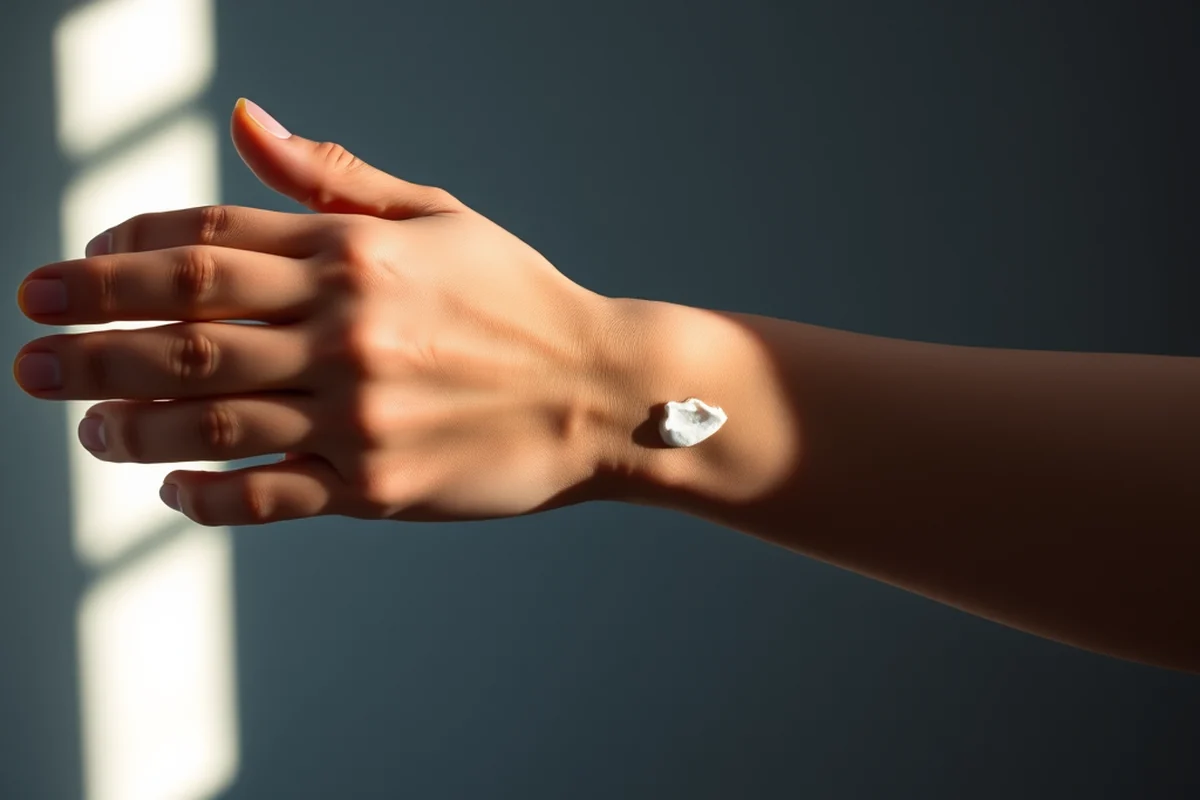
I remember the first night I applied retinol. My face felt tight and uncomfortable, like it had been pulled in a dozen directions. I was worried I’d made a mistake, but I stuck with it and gradually increased usage.
After a week, the initial irritation had faded, and I noticed my skin was slightly smoother. By week two, my pores looked smaller, and my complexion felt more even. It wasn’t a miracle, but it was real progress — and I was glad I didn’t stop.
Starting with retinol can be tricky, but if you take it slow, your skin will adjust. I’ve found that consistency is key. I used the product every other night at first, and now I use it three times a week — and my skin has never been better.
Consistency beats intensity when it comes to retinol.
Related: Easy retinol for beginners product
The Best Retinol Products for Beginners
The first product I recommend is the CeraVe Retinol Cream. It has 0.05% retinol and is packed with ceramides to help restore the skin’s natural barrier. I used it every other night and saw improvement within weeks without irritation.[3]
The second is the Paula’s Choice 1% Retinol Treatment. It’s a bit stronger, so I only use it on alternate nights, but it has been incredibly effective for reducing fine lines and improving skin texture.
For a gentler option, the Olay Regenerist Retinol 24 Cream is an excellent choice. It’s formulated for sensitive skin and delivers visible results without the redness. I’ve used it daily for months now and have noticed a real difference in my skin’s firmness and clarity.
Always do a patch test on a small area of skin before using a new retinol product. If it causes redness or irritation, don’t use it yet. Let your skin adjust before moving forward.
“When I first tried retinol, I felt like I was stepping into a science lab, unsure of what to expect and terrified of side effects.”— Rampritual editors
Related: Diy retinol for beginners product
Real Results from My Retinol Journey
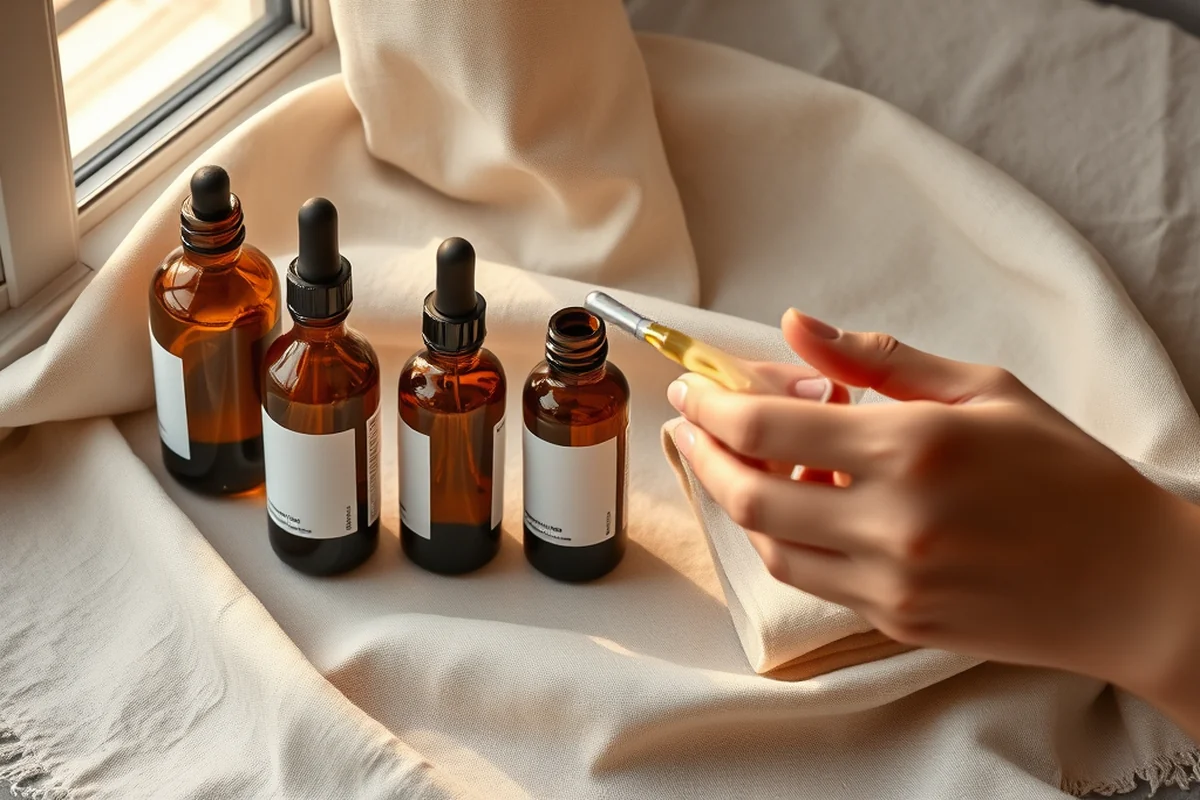
My skin used to be oily and prone to breakouts. After using retinol consistently for a few months, I noticed fewer breakouts and a more even tone. My friends asked if I had a new skincare routine or if I was using a different product — I told them it was retinol.
One of my colleagues, who has sensitive skin, tried the Olay Regenerist product and said her skin felt smoother and less reactive. She used it for two months and noticed a reduction in redness and a more even texture.
I’ve also tracked my skin’s improvement over time. I took before and after photos, and the difference is noticeable. Retinol isn’t a quick fix, but it’s a real, long-term solution to a variety of skin concerns.
Related: Easy retinol for beginners product picks comparisons
How to Incorporate Retinol into Your Routine
I started with a simple routine: cleanser, retinol, moisturizer, and sunscreen. I used the retinol every other night at first, and over time, I increased frequency as my skin adjusted.
I always applied a hydrating moisturizer after retinol to prevent dryness. It made a huge difference, and my skin never felt tight or flaky. I also used a broad-spectrum sunscreen every morning, which helped protect my skin from the sun’s harmful rays.
Now, I use retinol three times a week, but I always listen to my skin. If it feels dry or irritated, I take a break and come back later. My skin is more resilient now, and I can handle retinol more regularly without any issues.
🌸 Sensitive Skin Routine
A gentle retinol routine for those with sensitive skin, focusing on hydration and minimal irritation.
💰 Budget-Friendly Routine
Affordable retinol options that still deliver real results without breaking the bank.
🧼 Minimalist Routine
A streamlined retinol routine with just a few products for those who prefer simplicity.
🎯 Targeted Routine
A retinol-focused routine tailored for specific concerns like fine lines or acne-prone skin.
🔄 Maintenance Routine
A long-term retinol routine to maintain skin health and prevent future issues.
| The mistake | Why it happens | The fix |
|---|---|---|
| Using too much retinol at once | Applying too much can cause irritation, redness, and dryness, especially for beginners. | Start with a small amount and gradually increase frequency as your skin adjusts. |
| Skipping moisturizer after retinol | Retinol can strip the skin’s natural oils, leading to dryness and flakiness. | Always follow retinol with a hydrating moisturizer to keep your skin balanced. |
| Using retinol during the day | Retinol can make your skin more sensitive to sunlight, increasing the risk of sunburn and long-term damage. | Use retinol at night and always apply sunscreen in the morning. |
| Not patch testing retinol | Not all skin reacts the same way to retinol, and some people may experience irritation or allergic reactions. | Always do a patch test on a small area of skin before using a new retinol product. |
Related: Budget retinol for beginners picks
Retinol For Beginners Product Picks Comparisons Ideas
Related: Diy retinol for beginners product picks comparisons
Navigating Retinol Side Effects and How to Minimize Them
When I first started using retinol, my skin became red, dry, and even a little peeling. These are common side effects known as retinization, and they typically subside within a few weeks as your skin adjusts. To minimize these effects, I began by using retinol only every other night and gradually increased frequency as my skin tolerated it. This approach allowed my skin to build up resistance without overwhelming it. I also made sure to apply a thick layer of moisturizer afterward to create a protective barrier and reduce irritation.
One of the most important steps I took was using a gentle, fragrance-free cleanser and avoiding harsh exfoliants during the initial weeks. My skin was already sensitive, and I didn’t want to exacerbate the irritation. I also invested in a good facial oil, which I applied after retinol to help seal in moisture and reduce flakiness. Over time, my skin became more resilient, and the redness and dryness decreased significantly.
Now, I use retinol most nights without issue, but I still follow up with a hydrating serum and a heavy moisturizer. If I feel any irritation, I’ll skip a night and give my skin a day of recovery. I’ve learned that consistency is key, but patience is just as important. By being mindful of how my skin reacts, I’ve been able to use retinol effectively without causing long-term damage or discomfort.
How to Build a Retinol-Ready Skin Routine
Before introducing retinol into my routine, I made sure my skin was in a healthy, balanced state. This meant focusing on hydration, gentle exfoliation, and using products that would not interfere with retinol’s effectiveness. I used a simple routine with a hydrating cleanser, a vitamin C serum in the morning, and a lightweight moisturizer. At night, I relied on a broad-spectrum sunscreen and a hydrating toner to prep my skin for retinol.
I also incorporated a weekly exfoliation step using a chemical exfoliant, such as a gentle AHA or BHA, to keep my skin turnover on track. This helped prevent buildup and ensured that retinol could penetrate more effectively. However, I was careful not to over-exfoliate, as this could weaken my skin barrier and increase sensitivity. I always listened to my skin and adjusted my routine if I noticed any signs of irritation.
Over time, as my skin adapted to retinol, I added in other beneficial ingredients like hyaluronic acid, ceramides, and niacinamide. These ingredients worked in harmony with retinol to reinforce my skin’s barrier and reduce inflammation. I also made sure to use a retinol-specific moisturizer that contained soothing ingredients like centella asiatica and squalane. This combination of products made my skin feel more resilient and healthy, and it significantly improved my overall complexion.
Common Questions
How long does it take to see results from retinol?
Can I use retinol with other skincare products?
Is retinol safe for all skin types?
Can I use retinol during the day?
References
- Structural and Functional Characterization of the Retinol-Binding ... (academiccommons.columbia.edu)
- 020380Orig1s010 | FDA (accessdata.fda.gov)
- Top Recommended Skincare Brands For Cosmetology Students (cosmetologyandspaacademy.edu)
Cite this guide
Rampritual (2026). Retinol For Beginners Product Picks Comparisons Ideas. https://rampritual.com/retinol-for-beginners-product-picks-comparisons-ideas/
Feel free to cite or share this guide.