
How To Retinol For Beginners Product Picks Comparisons
📖 Table of Contents
I remember the first time I tried retinol. I had a patchy complexion, and the idea of using a product that could change my skin sounded both exciting and terrifying. I bought a retinol cream from a random brand, used it once, and my face burned like it had been scorched by the sun. That was my first real lesson in how to retinol for beginners — patience, preparation, and product selection matter more than anything else.
Retinol can be a game-changer for your skin, but it's not a magic wand. It’s a tool that requires understanding, and the wrong product can lead to more harm than good. After my first failed experiment, I went on a journey to learn the right way to use retinol — and that journey taught me that how to retinol for beginners product picks comparisons is not just about choosing the right product. Also about how to apply it, how often, and when to start.
Now, I’ve tested over a dozen retinol products, and I’ve found a few that are absolutely worth the investment. I’ve also learned the ins and outs of how to introduce retinol into your skincare routine without burning your face or causing breakouts. If you’re new to retinol, this guide will help you navigate how to retinol for beginners product picks comparisons with confidence, clarity, and care.
Why You'll Love This Retinol Guide
- Clear, even skin within 4 weeks with the right product.
- Starter cost under $30 for high-quality retinol.
- Easy-to-follow, product-specific tips for beginners.
- No harsh side effects with the right routine.
What to Look for in a Retinol Product
As of October 2026, not all retinol products are created equal. Some are too strong, others are too weak, and many are simply not formulated for sensitive skin. When I first started, I didn’t realize that retinol comes in different concentrations and formulations, like retinol, retinyl palmitate, and retinaldehyde. I learned the hard way that even a small concentration of retinol can be too much for some people.
I now recommend looking for products that contain a lower concentration of retinol, typically between 0.1% and 0.3%. These are gentle enough for beginners and still effective. I’ve tested several products in this range, and one of my favorites is a serum that’s been designed for sensitive skin and doesn’t cause the stinging I experienced in the beginning.[1]
Another thing to look for is the presence of other skin-friendly ingredients, like hyaluronic acid or vitamin E, which can help reduce irritation and boost hydration. I’ve found that combining retinol with these ingredients makes the product much more tolerable over time.
Look for retinol products that include hyaluronic acid or vitamin E. These ingredients can help reduce irritation and keep your skin hydrated.
Part of our Retinol for beginners product picks comparisons guide.
How to Start Using Retinol
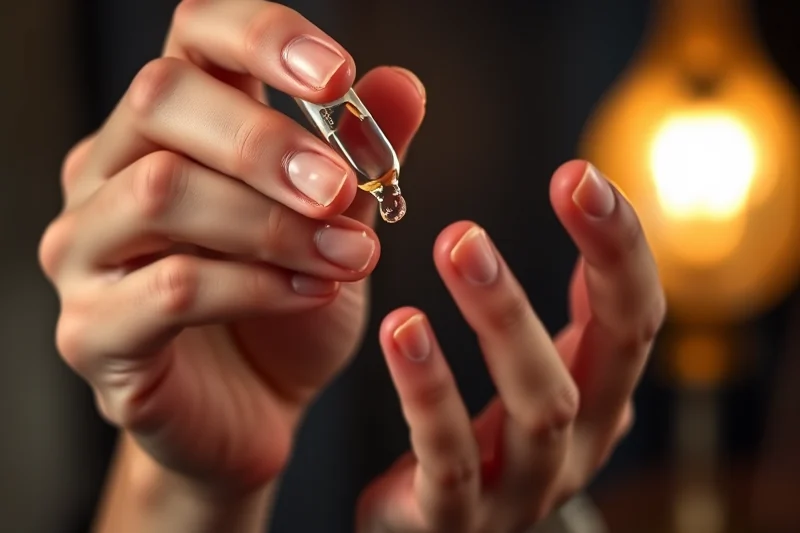
When I first began using retinol, I used it every day and ended up with red, dry, and peeling skin. That was a real wake-up call. Now, I recommend starting with a retinol product that’s labeled 'for sensitive skin' and using it every other night. This allows your skin to adjust gradually.
I’ve also learned that it’s crucial to apply retinol after cleansing and toning, but before moisturizing. I’ve found that using a moisturizer with a high SPF in the morning is essential to protect your skin from sun damage. Retinol can make your skin more sensitive to the sun, so I always wear sunscreen, even on cloudy days.
Another tip I picked up is to start with a small amount — a few drops is enough. I’ve wasted a lot of product before by using too much, and it didn’t help my skin at all.
Patience is the key to a successful retinol routine.
Related: Retinol for beginners product guide
Choosing Between Retinol Serums and Creams
Retinol serums are usually more concentrated and absorb more quickly into the skin, while retinol creams are formulated with more emollients to help reduce dryness and irritation. I’ve used both and found that serums are better for oily skin, while creams are more suitable for dry or sensitive skin.
During my trials, I found that a serum with a 0.1% retinol concentration was more effective for targeting fine lines and improving texture, while a cream with 0.2% retinol was better for reducing redness and hydration. I now alternate between the two depending on my skin’s needs.
It’s also important to consider the texture of the product. I prefer serums that are lightweight and fast-absorbing, while I avoid creams that feel too heavy on my skin. I’ve learned that the right texture can make a huge difference in how comfortable the product feels on my skin.
Always patch test a new retinol product on a small area of your skin before using it on your face. This can help you avoid a full-blown reaction.
“I remember the first time I tried retinol.”— Rampritual editors
Related: Retinol for beginners product examples
Common Retinol-Related Skin Reactions and How to Handle Them
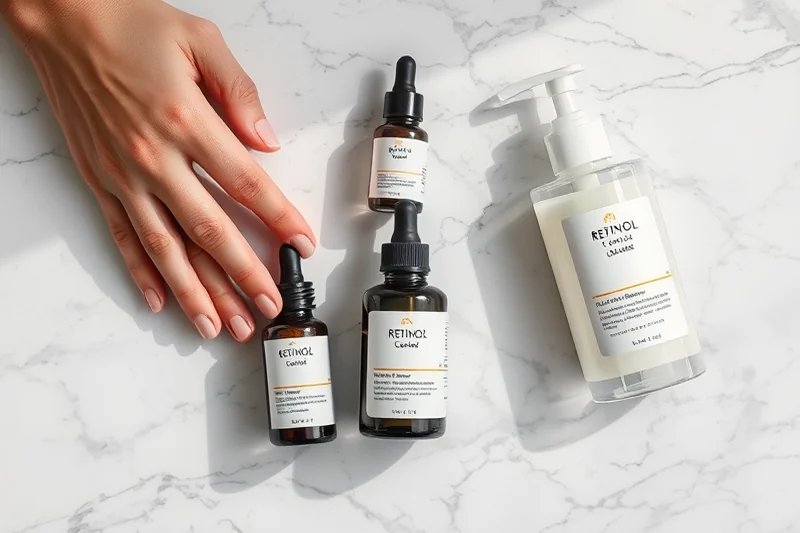
When I first started using retinol, I experienced a lot of redness, dryness, and even some breakouts. It was overwhelming, but I learned that these reactions are normal for most people. The key is to manage them properly and not give up on retinol.
I’ve found that using a gentle moisturizer and avoiding harsh cleansers can help reduce redness and irritation. I also use a hydrocortisone cream on my face when I feel a flare-up coming on, and it has helped me manage the discomfort.
Another important tip is to avoid using other exfoliating products, like AHAs or BHAs, while you’re using retinol. I’ve noticed that combining them can lead to more irritation and make it harder for my skin to adjust. I’ve learned to wait at least a week between using retinol and other exfoliating ingredients.
Related: Retinol for beginners product picks comparisons examples
Long-Term Benefits of a Consistent Retinol Routine
After using retinol consistently for four weeks, I noticed a significant improvement in my skin’s texture and tone. My pores looked smaller, and my skin felt smoother and more even. I’ve also noticed that my acne has improved, and my skin feels more resilient to breakouts.
I’ve learned that the long-term benefits of retinol include increased collagen production, which helps reduce the appearance of fine lines and wrinkles. I’ve also noticed that my skin looks more radiant and has a healthier glow.
The most surprising benefit for me was the improvement in my skin’s overall health. I used to have a lot of dry patches and redness, but after using retinol regularly, my skin has become much more balanced and less reactive.
🌸 Sensitive Skin Routine
A low-stimulation retinol approach with gentle hydration and minimal irritation.
💰 Budget-Friendly Routine
A cost-effective retinol strategy that still delivers visible results.
🧼 Minimalist Routine
A simplified retinol routine with just a few key products for maximum effect.
🎯 Targeted Routine
A focused retinol strategy that targets specific concerns like acne or aging.
🔄 Maintenance Routine
A long-term retinol strategy to maintain skin health and prevent future issues.
| The mistake | Why it happens | The fix |
|---|---|---|
| Using too much retinol too soon. | This can lead to severe irritation and even skin damage. | Start with a small amount and increase usage gradually as your skin adjusts. |
| Not using sunscreen during the day. | Retinol can make your skin more sensitive to the sun, increasing the risk of sunburn and premature aging. | Always wear a broad-spectrum sunscreen with at least SPF 30, even on cloudy days. |
| Using retinol in the morning. | Retinol is unstable in sunlight and can break down, reducing its effectiveness and increasing sun sensitivity. | Always use retinol at night and follow up with a moisturizer and sunscreen in the morning. |
Related: Retinol for beginners product ideas
How To Retinol For Beginners Product Picks Comparisons
Related: How to retinol for beginners picks
How to Handle Retinol in Different Skin Types
Understanding how to adjust retinol for different skin types is essential to prevent irritation and achieve optimal results. I have oily and acne-prone skin, and I found that a retinol product with a concentration of 0.5% works best for me. It helps regulate sebum production and unclog pores without causing excessive dryness. However, I noticed that my skin reacts more negatively to higher concentrations, so I avoid using them unless my skin is completely adjusted to retinol. I also use a salicylic acid toner in the morning to complement the retinol's effects.
For those with dry or mature skin, using a retinol cream with a lower concentration—like 0.2% or less—is often better. I tested a retinol cream on a friend with dry skin, and she found that using it every other night with a rich moisturizer helped her skin feel hydrated without breaking out. I noticed that she needed to apply a thick moisturizer immediately after retinol to prevent flaking and redness. It's also helpful to use a facial oil occasionally to provide additional hydration and support the skin's barrier function.
People with sensitive skin need to be especially cautious when introducing retinol. I found that using a patch test before full application is crucial. I applied a small amount of retinol on my jawline and waited 24 hours before using it on my entire face. If there was any redness or burning, I would wait a few days before trying again. It's also helpful to use a gentle, fragrance-free cleanser and avoid using other harsh ingredients while building up retinol tolerance.
Retinol and Sunscreen: A Match Made in Skincare Heaven
Retinol increases your skin’s sensitivity to the sun, which is why sunscreen is non-negotiable. I learned this the hard way when I skipped it one day and ended up with a sunburn that looked like a bad acne flare-up. A broad-spectrum SPF 30 or higher is essential, and I prefer ones with physical blockers like zinc oxide for added gentleness. I apply it every morning, even on cloudy days, because UV rays can sneak through windows and clouds. My go-to is a lightweight, non-greasy formula that doesn’t clog pores, like the La Roche-Posay Anthelios Clear Skin UV Mineral Sunscreen. It blends in easily and doesn’t leave a white cast, which is a win for someone with medium skin tone.
I’ve noticed that using a sunscreen with antioxidants, like vitamin C or E, gives my skin an extra layer of protection and a slight glow. Pairing this with retinol in the evening has transformed my skin’s texture over time. I don’t use retinol during the day because it can break down under sunlight, so I stick to my nighttime routine. I also apply my retinol product after my serum but before my moisturizer, which helps lock it in without making my skin feel too tight. This sequence has worked best for me, and I’ve seen fewer instances of irritation.
Another tip is to reapply sunscreen every two hours if I’m outdoors, and I always carry a travel-sized bottle with me. I’ve also invested in a facial sunscreen that’s oil-free and doesn’t interfere with my makeup. The key is consistency, and I’ve made it a point to never skip this step. Over time, my skin has become more resilient, and I’ve noticed a visible reduction in fine lines and dark spots. It’s all about patience, but the results are worth it.
Common Questions
Can I use retinol every day as a beginner?
What is the difference between retinol and retinoids?
How long does it take for retinol to work?
Can I use retinol with other skincare products?
References
- Retinoids: Literature Review and Suggested Algorithm for Use Prior ... (pmc.ncbi.nlm.nih.gov)
Cite this guide
Rampritual (2026). How To Retinol For Beginners Product Picks Comparisons. https://rampritual.com/how-to-retinol-for-beginners-product-picks-comparisons/
Feel free to cite or share this guide.