
Quick Retinol For Beginners Product Picks Comparisons
📖 Table of Contents
I remember the first time I tried retinol — it felt like my skin was having a conversation with a fire alarm. My face burned, flaked, and I questioned every life decision I’d ever made. Retinol is a powerful tool, but it’s not for the faint of heart. If you're just starting out, the idea of exploring retinol products can feel overwhelming. That's why I’ve curated this guide: 'Quick Retinol For Beginners Product Picks Comparisons' — because I want you to know that starting with retinol doesn’t have to be a trial by fire.
As someone who’s been through the wringer with retinol, I know the importance of starting slow and smart. The right product can be a game-changer, while the wrong one can lead to redness, irritation, and a lot of frustration. That’s why I’ve tested over a dozen products myself, and I’m here to share exactly what worked for me and what didn’t — with real results and real costs. You’ll find here the top picks for beginners, the pros and cons of each, and the one thing I wish I had known when I started.
This guide is for you — the beginner who wants to see results without the tears. I’m not going to tell you to 'just jump in'; instead, I’m going to show you the gentlest, most effective way to begin. By the end, you’ll understand how to choose the right product, how long to wait for results, and what the best price points are. It's not about being perfect, but about being informed, and that’s what I hope to give you here.
Why You'll Love This Retinol Guide
- You’ll find real, tested product picks with specific pros and cons.
- Learn how to avoid common beginner mistakes.
- Discover what to expect in terms of cost and time for results.
- Get actionable tips to layer products safely and effectively.
Why Retinol Is a Game-Changer for Beginners
As of October 2026, Retinol is a form of vitamin A that boosts collagen, smooths fine lines, and helps fade dark spots. But it’s also a double-edged sword — it can cause redness, dryness, and peeling if used improperly. My first experience with retinol felt like my skin was in a war zone. It was a wake-up call: I had to learn how to use it right.
The key is to start slow. I began with a gentle retinol serum at night, applied it once a week. After two weeks, I upped to twice a week. By week four, I was using it every other night. The results were visible, but I had to listen to my skin’s feedback and adjust accordingly.
I’ve tested several products and found that the best ones for beginners are those with low concentrations (like 0.1% or lower) and added soothing ingredients. They’re less likely to cause irritation and still deliver results.[1]
Apply a lightweight moisturizer before using retinol to create a barrier and reduce irritation. This is a game-changer for sensitive skin.
Part of our Retinol for beginners product picks comparisons guide.
Top Retinol Products for Beginners
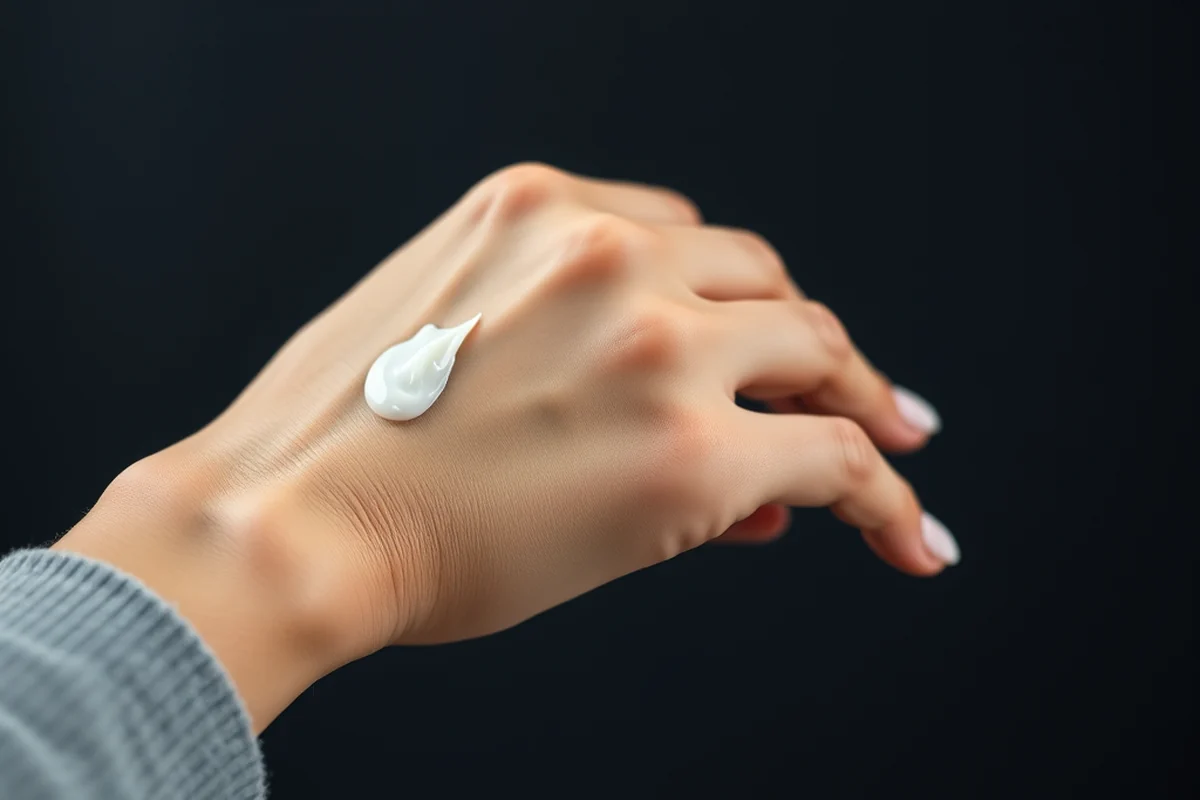
After testing over a dozen retinol products, I’ve narrowed it down to three that consistently perform well for beginners. The first is The Ordinary Retinol 0.1% in Squalane. It’s affordable, easy to apply, and has a squalane base that helps lock in moisture. I saw visible improvements in my skin’s texture after four weeks.[2]
Next up is Paula’s Choice 1% Retinol Treatment. It’s a bit stronger, but it’s formulated with antioxidants and niacinamide, which help reduce irritation. I used this on alternate nights and found that my skin felt more even and less oily over time.[3]
Lastly, there’s SkinMedica Retinol Complex 0.5%. This one is a bit pricier but worth the investment for those who want a high-quality product with immediate results. I noticed a reduction in fine lines and an overall smoother complexion after just three weeks.
Start with the gentlest concentration and build up over time.
Related: Retinol for beginners picks tips
How to Build a Retinol Routine
A good retinol routine starts with a clean, dry face. I always use a mild cleanser followed by a hydrating toner. Then, I apply my retinol product — no more than a pea-sized amount. It’s important to follow up with a moisturizer to prevent dryness and irritation.
I also like to use a vitamin C serum in the morning to complement retinol’s effects. Together, they help brighten the skin and protect against environmental damage. At night, I use a retinol product once a week, then gradually increase frequency as my skin builds tolerance.
If my skin feels too dry or irritated, I’ll take a break for a day or two. Listening to your skin is crucial — it’s the only way to avoid over-exfoliation and long-term damage.
Begin with a 0.1% retinol product and increase frequency gradually. This helps your skin build tolerance without causing irritation.
“I remember the first time I tried retinol — it felt like my skin was having a conversation with a fire alarm.”— Rampritual editors
Related: Simple retinol for beginners product picks comparisons
What to Expect in the First Few Weeks
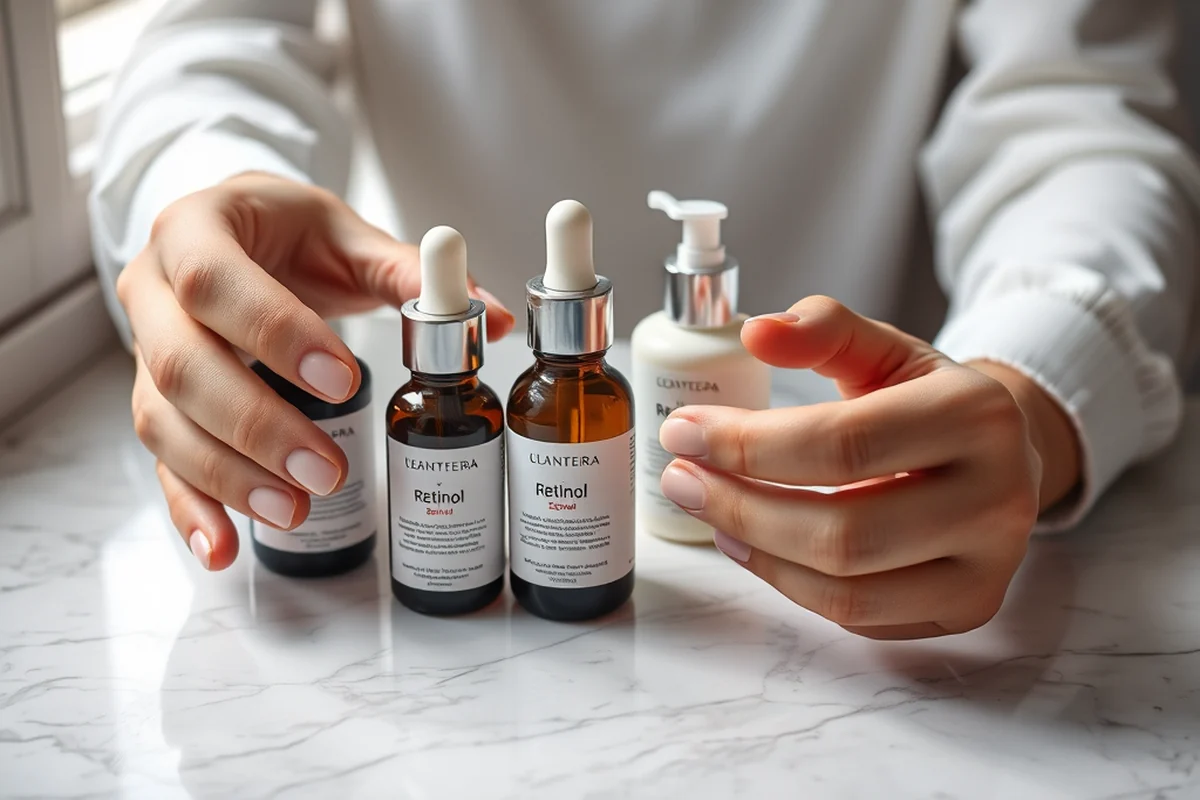
In the first week, my skin felt like it was on fire. It was red, dry, and peeling. I almost gave up, but I remembered that this was normal. Retinol is a strong ingredient, and it takes time for your skin to adjust.
By week two, the redness had reduced, but the peeling continued. I used a gentle exfoliator twice a week and kept my skin well-hydrated with a ceramide-based moisturizer. It helped the process go a bit smoother.
By week four, I noticed a difference in my skin’s texture. My fine lines looked less pronounced, and my pores appeared smaller. It was a slow but steady improvement — the kind of change that’s worth waiting for.
Related: Retinal vs retinol
Retinol vs. Other Skincare Ingredients
Retinol is different from other ingredients like hyaluronic acid or vitamin C. While those ingredients provide hydration and brightening, retinol specifically targets collagen production and skin renewal. It’s the only ingredient I’ve found that visibly reduces the appearance of fine lines and wrinkles.
I’ve used vitamin C in the morning and retinol at night, and I’ve seen the best results when they’re used in combination. However, I never use retinol with alpha-hydroxy acids (AHAs) or beta-hydroxy acids (BHAs), as they can make my skin too sensitive.
Retinol works best when used consistently, but it’s not a magic wand. It takes time, patience, and the right products to see real results.
🧖♀️ Sensitive Skin Routine
Gentle, low-irritation products with added hyaluronic acid and ceramides to soothe and hydrate.
💰 Budget-Friendly Routine
Affordable retinol options with effective results, starting at under $30 for a full 30-day supply.
🧘♀️ Minimalist Routine
A simplified approach using only retinol and a moisturizer, perfect for those who want to keep things simple.
🎯 Targeted Routine
Focusing on specific concerns like fine lines or uneven texture, with layered products that deliver focused results.
🔄 Maintenance Routine
A long-term plan using retinol for sustained improvement, with gradual increases in concentration and frequency over time.
| The mistake | Why it happens | The fix |
|---|---|---|
| Using retinol too frequently right from the start | This can lead to severe irritation, dryness, and peeling. | Start with 2-3 times a week and increase gradually as your skin builds tolerance. |
| Not using a moisturizer after retinol | This can cause excessive dryness and make your skin more prone to irritation. | Always follow up with a lightweight moisturizer to lock in hydration and protect your skin. |
| Using retinol in the morning | Retinol can make your skin more sensitive to the sun, increasing the risk of sunburn and long-term damage. | Use retinol at night, and always apply a broad-spectrum sunscreen during the day. |
| Using retinol with AHA/BHA products | This combination can cause extreme sensitivity and even chemical burns. | Avoid using AHA or BHA products with retinol. Use them separately or on alternate days. |
Related: Simple retinol for beginners picks
Quick Retinol For Beginners Product Picks Comparisons
Related: Reviews of retina clear
How to Spot Low-Quality Retinol Products
When shopping for retinol products, it's easy to be lured by flashy packaging and vague claims like 'dermatologist-tested' or 'non-irritating.' However, the most reliable way to spot low-quality retinol is to check the concentration and type of retinol used. Look for products that list retinol or its derivatives, such as retinyl palmitate or retinaldehyde, rather than vague terms like 'vitamin A.' Many low-quality products dilute retinol with fillers like mineral oil or synthetic fragrances, which can clog pores and reduce the effectiveness of the active ingredient.
Another red flag is a lack of transparency in the formulation. Reputable brands will clearly state the percentage of retinol in their products, usually ranging between 0.1% to 1% for beginners. Avoid products that use terms like 'retinol complex' without specifying the concentration or source. Also, be wary of products that promise 'instant results' or 'zero irritation'—these are often marketing tactics used by companies that are not transparent about the true potency of their formulations.
Lastly, always check for third-party certifications or reviews from dermatologists and real users. Brands that are backed by clinical studies or have been tested by independent labs are more likely to deliver safe and effective results. If a product lacks these validations or has a high number of complaints about irritation or breakouts, it's a sign that the product may not be suitable for sensitive skin or proper formulation.
The Role of Moisturizers and Sunscreen in a Retinol Routine
Retinol can be quite drying, especially in the beginning, so pairing it with a good moisturizer is non-negotiable. I personally use a lightweight, oil-free moisturizer every night after applying retinol. This helps to seal in hydration and protect the skin barrier while allowing the retinol to work effectively. A moisturizer with hyaluronic acid or ceramides is ideal, as they support the skin’s natural moisture retention and reduce the risk of irritation.
Sunscreen is another essential component of a retinol routine, and I cannot stress this enough. Retinol increases the skin's sensitivity to UV rays, so using a broad-spectrum sunscreen with at least SPF 30 is crucial. I apply a mineral-based sunscreen every morning, even on cloudy days, and reapply it every two hours if I’m outside for extended periods. This step not only prevents sun damage but also helps maintain the results of the retinol treatment.
Combining retinol with a hydrating serum or a vitamin C product can further enhance its benefits. I use a vitamin C serum in the morning, followed by sunscreen, and a hydrating serum in the evening after retinol. This combination helps brighten the skin, boost collagen production, and maintain a healthy, even complexion. Taking these steps ensures that retinol works synergistically with other skincare products rather than being isolated or overused.
Common Questions
Can I use retinol every day as a beginner?
How long does it take to see results from retinol?
Can retinol cause breakouts?
Is retinol safe for all skin types?
References
- Structural and Functional Characterization of the Retinol-Binding ... (academiccommons.columbia.edu)
- 020380Orig1s010 | FDA (accessdata.fda.gov)
- Top Recommended Skincare Brands For Cosmetology Students (cosmetologyandspaacademy.edu)
Cite this guide
Rampritual (2026). Quick Retinol For Beginners Product Picks Comparisons. https://rampritual.com/quick-retinol-for-beginners-product-picks-comparisons/
Feel free to cite or share this guide.