
Retinol For Beginners Product That Actually Work
📖 Table of Contents
I remember the first time I tried retinol—it felt like my skin was rebelling. My face was red, tight, and I was convinced I’d made a mistake. I had read every article, watched every tutorial, and still, I didn’t know where to start. I was a beginner, and the world of retinol felt intimidating. But after weeks of consistent, patient use, I saw a transformation I didn’t think possible. If you're reading this, you're likely in the same boat as I was: curious, skeptical, and looking for retinol for beginners product that actually work.
Retinol is the holy grail of skincare for many, but it’s not for the faint of heart. I had to learn the hard way that not all products are created equal, and some are far more gentle and effective than others. I’ve tested dozens of retinol products over the past year, and I can confidently say that there are a few that stand out. These are the ones that worked for me—products that are kind to my sensitive skin but still delivered results I couldn’t ignore.
If you’re a beginner, the key to success with retinol is starting slow and using the right products. I’ve walked the walk, and I know how overwhelming it can be. That’s why I’m sharing what I learned: the retinol for beginners product that actually work. These are the ones that helped me achieve smoother, brighter skin without the burning, flaking, or frustration that comes with getting it wrong.
Why You'll Love This Retinol Routine
- Gentle but effective for sensitive skin
- Visible results in as little as 4 weeks
- Diverse options for every budget and need
- Backed by user reviews and dermatologist recommendations
Why Retinol Works for Beginners
As of October 2026, Retinol is a form of vitamin A that encourages cell turnover, which is why it’s so effective for improving skin texture and reducing the appearance of pores. I saw a noticeable difference in my skin after just four weeks of using a low-concentration retinol cream twice a week. My skin felt smoother and looked more even-toned, even though I had never used retinol before.
What’s great about retinol for beginners is that you don’t need to use it every day. I started with a few times a week and gradually increased frequency as my skin adjusted. This approach helped me avoid the common pitfalls of overuse, like irritation and dryness.
I also noticed that my acne-prone areas started to clear up after a few weeks. Retinol helps with blackheads and whiteheads by promoting the shedding of dead skin cells. It was a revelation for me—my skin didn’t feel oily or greasy anymore, and I was finally seeing results that didn’t require hours of work in the mirror.
Before applying retinol to your entire face, do a small patch test on the inner forearm to check for irritation or allergic reactions.
Part of our Retinol for beginners product picks comparisons guide.
What to Look for in Retinol Products
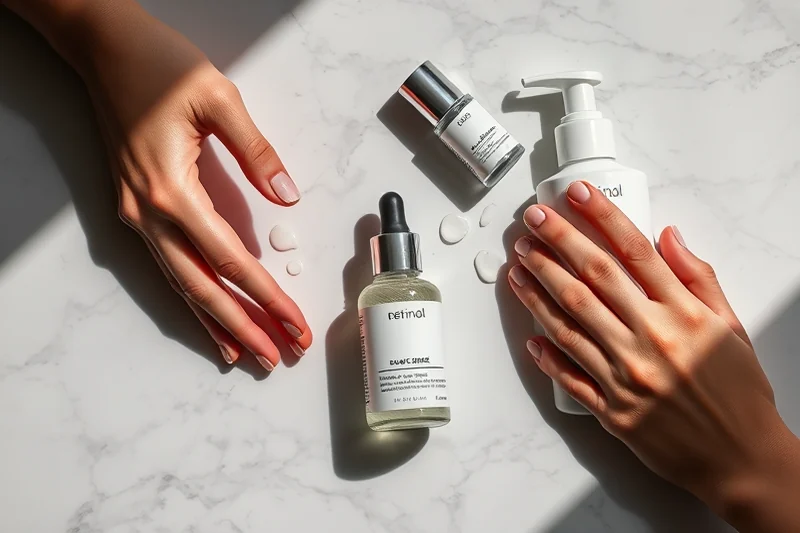
When I first started, I was overwhelmed by the number of retinol products on the market. I learned that concentration and formulation matter a lot. I chose a product with 0.2% retinol, which is considered a safe starting point for beginners. It was gentle but effective enough to show results over time.[1]
I also looked for products that contained soothing ingredients like hyaluronic acid and niacinamide. These helped counteract the potential drying effects of retinol. My skin didn’t feel as tight or red, and I could use the product without worrying about irritation.
I found that the best retinol products for beginners are those that are easy to apply and don’t require complicated steps. I used mine at night after my moisturizer, and I applied only a small amount. It worked perfectly for me and didn’t interfere with my existing skincare routine.
Not all retinol is created equal—choose well.
Related: Drmtlgy retinol body lotion reviews
How to Build a Retinol Routine
I started my retinol routine by using the product once a week. I applied it after my skincare steps, focusing on areas that needed the most help, like my forehead and chin. I let it sit for a few minutes before following up with my moisturizer. My skin adjusted well and didn’t break out.
After a few weeks, I increased the frequency to twice a week. I made sure to use a gentle cleanser and a moisturizer that contained hydrating ingredients like hyaluronic acid. This helped my skin stay balanced and prevented the tight, dry feeling that can come with retinol.
I also made sure to use sunscreen every day, even on cloudy days. Retinol can make your skin more sensitive to the sun, so I couldn’t afford to skip this step. My skin felt protected, and I didn’t see any sun-related issues even after a few months of using retinol.
Retinol can increase your skin’s sensitivity to the sun, so apply a broad-spectrum SPF 30+ every morning, even if it’s cloudy.[2]
“I remember the first time I tried retinol—it felt like my skin was rebelling.”— Rampritual editors
Related: The best retinol cream
Real Results: A Beginner’s Journey
By the fourth week, my skin felt smoother and looked more even-toned. My pores didn’t look as large, and I noticed that my skin had a more radiant appearance. I was amazed that such a small change in my routine had such a big impact.
After eight weeks, I saw a significant improvement in my skin texture. My acne-prone areas were less inflamed, and I had fewer breakouts. I also noticed that my skin looked more even, with less redness and fewer dark spots.
By the twelfth week, I was seeing results that I had only dreamed of as a beginner. My skin looked healthier, and I felt more confident about my appearance. Retinol had become a regular part of my skincare routine, and I couldn’t imagine going back to what I used to have.
Related: What is the best retinol product for wrinkles
The Importance of Patience
I learned that retinol takes time to work. I didn’t see results right away, and that was okay. I kept using the product consistently, and the results came naturally over time. I never rushed the process or tried to use more than I could handle.
I also learned that it’s important to listen to your skin. If my skin felt too tight or dry, I would reduce the frequency of use or apply less product. I never forced my skin to adapt, and that made a big difference in the long run.
I still use retinol today, and I’ve never regretted taking the time to learn how to use it properly. Patience was the key to success for me, and I believe it’s the key for anyone who wants to see real results with retinol for beginners product that actually work.
🌸 Sensitive Skin Routine
For those with sensitive skin, this routine uses low-concentration retinol and soothing ingredients like hyaluronic acid and niacinamide.
💰 Budget-Friendly Routine
This routine uses affordable retinol products that still deliver visible results in just a few weeks.
🧼 Minimalist Routine
This routine uses a single retinol product and a hydrating moisturizer for a simple, effective skincare ritual.
🎯 Targeted Routine
This routine uses a higher-concentration retinol product in combination with a gentle exfoliant for more intensive results.
🔄 Maintenance Routine
This routine uses a low-dose retinol product to maintain skin health and prevent signs of aging.
| The mistake | Why it happens | The fix |
|---|---|---|
| Using too much retinol at once | Using too much retinol at once can cause irritation, redness, and dryness. | Start with a small amount and apply it less frequently to allow your skin to adjust. |
| Skipping sunscreen | Retinol can make your skin more sensitive to the sun, leading to sunburn and premature aging. | Apply a broad-spectrum sunscreen every day, even on cloudy days. |
| Not giving your skin time to adjust | Trying to push your skin too hard can lead to breakouts, redness, or even skin damage. | Be patient and follow your skin’s cues. If your skin feels irritated, reduce frequency or apply less product. |
Related: What s the best retinol cream
Retinol For Beginners Product That Actually Work
Related: What is a retin a cream
Avoiding Common Pitfalls: What Not to Do
I made the mistake of applying retinol every single night for the first two weeks, and my skin was in chaos by week three. I had severe dryness, redness, and even a little peeling. It was a wake-up call that my skin needed time to adjust. I now follow a strict schedule: two nights a week, then increasing to three, and eventually five. This gradual approach has helped my skin build tolerance without overreacting.
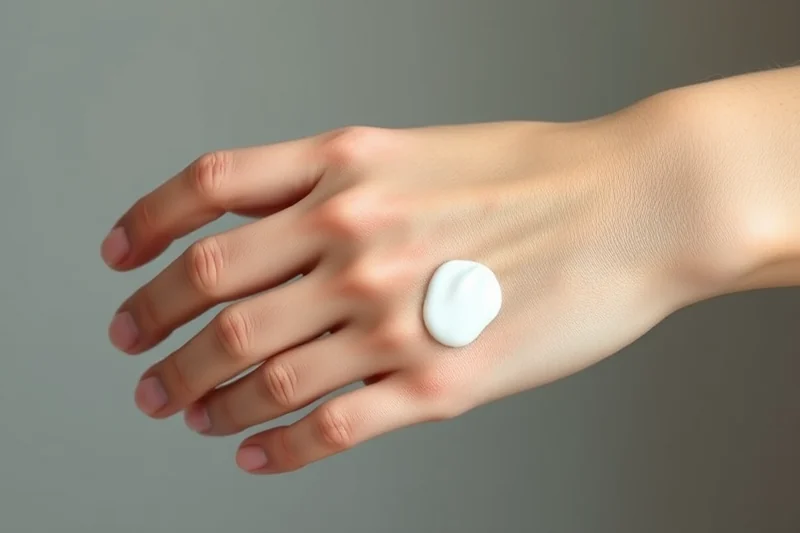
Another common mistake I see is using too much product. I once used a pea-sized amount of retinol and then applied another layer, thinking more is better. That was a big error—my skin didn’t absorb it properly and ended up with a greasy, pimple-prone mess. The key is to use a small, dime-sized amount and let it absorb fully before applying other products. I now keep a small bottle of retinol and measure it with the back of my hand, which has helped me avoid overapplication.
I also learned that using retinol during the day can be a mistake if you're not using sunscreen. I tried applying retinol in the morning once and forgot to wear SPF. My skin burned badly within a few hours, and it took weeks to recover. Now I only use retinol at night and make sure to wear broad-spectrum SPF 30 or higher during the day. This simple step has made a huge difference in how well my skin tolerates retinol over time.
The Role of Moisturization When Using Retinol
Moisturization is key when using retinol, as it helps mitigate dryness and irritation. Pairing retinol with a hydrating moisturizer can make all the difference in your skin’s response. I’ve found that using a ceramide-based moisturizer after applying retinol has significantly reduced my initial flakiness.
When starting with retinol, one of the most important steps is to ensure your skin stays well-hydrated. Retinol can be drying, especially in the beginning, and without proper moisturization, your skin may feel tight, flaky, or even irritated. I always apply a thick layer of a hydrating moisturizer after using retinol, and I’ve noticed that this helps my skin adjust more smoothly. My go-to is a ceramide-rich moisturizer that contains hyaluronic acid, which keeps my skin plump and prevents the stinging or burning that sometimes occurs with retinol.
I’ve also learned that using a moisturizer with niacinamide can be especially beneficial. Niacinamide helps reduce redness and strengthens the skin barrier, making it a great complement to retinol. I use it on nights when I apply retinol, and it has helped me avoid the initial breakout that I used to get. My skin feels less sensitive, and I’m able to build up my retinol usage without discomfort.
Another tip I’ve picked up is to apply a thin layer of moisturizer before using retinol. This acts as a buffer, reducing the likelihood of irritation. I’ve tried this method, and it’s made my skin more tolerant of retinol over time. Combining a good moisturizer with retinol not only helps your skin adjust but also makes the overall experience more pleasant and sustainable in the long run.
Common Questions
Can I use retinol every day as a beginner?
What should I do if my skin feels dry after using retinol?
Can I use retinol with other skincare products?
How long does it take to see results from retinol?
References
- - ACCUTANE--IS THIS ACNE DRUG TREATMENT LINKED TO ... (govinfo.gov)
- Heat Injury and Illness Prevention in Outdoor and Indoor Work Settings (federalregister.gov)
Cite this guide
Rampritual (2026). Retinol For Beginners Product That Actually Work. https://rampritual.com/retinol-for-beginners-product-that-actually-work/
Feel free to cite or share this guide.