
Retinol For Beginners Troubleshooting Ideas
📖 Table of Contents
I remember the first time I applied retinol to my face — it felt like a chemical burn, and I panicked. I had read all the glowing reviews, but nothing prepared me for the sting, the redness, or the way my skin felt like it was screaming. I had assumed retinol was a miracle potion, but it turned out to be a journey of trial and error. That's why I'm writing this: to guide others through the same path without the pain, the confusion, or the wasted money.[3]
Retinol for beginners troubleshooting ideas isn't just about finding the right product. It's about understanding the science, the skin's response, and the patience required to see real results. I've made every mistake in the book: overusing it, skipping moisturizer, and ignoring the advice to start slow. But through those missteps, I learned how to layer correctly, how to choose the right formulation, and how to adjust my routine for my skin's needs.
This article is for anyone who's felt that initial irritation, that uncertainty of whether they're doing it right. Retinol is powerful, but it's also tricky. I'll walk you through the most common issues, offer solutions, and share the hard-earned lessons I've learned. Whether you're on a budget, have sensitive skin, or are just beginning your skincare journey, I've got you covered with real, actionable advice — not generic tips that don't apply to your unique situation.
Why You'll Love This Retinol Journey
- You'll learn to identify and solve common retinol issues without a skincare expert.
- You'll save time, money, and skin by avoiding the most common beginner mistakes.
- You'll gain confidence in your routine, knowing exactly what to do when your skin reacts.
- You'll see real results within weeks — no more guesswork, no more confusion.
How to Start with Retinol Without Burning Your Skin
As of October 2026, I used to think that applying retinol every night was the right way to go. But after my face turned red and peeling, I realized that my approach was wrong. The key to starting with retinol is to start slow — use it every other night and gradually increase frequency as your skin adjusts.
The first time I tried using retinol every night, I woke up with a tight, burning sensation. My skin was so sensitive that even a small amount of product felt like a slap. It took me about two weeks to build up to using it every night, and even then, I had to reduce the amount I applied.
Now, I know that patience is everything. I use a pea-sized amount of retinol every other night, and I make sure to follow with a thick moisturizer. This helps my skin adapt without the shock of a full-strength formula.
Starting with a small amount and increasing frequency as your skin adjusts is the safest way to avoid irritation.
Part of our Retinol for beginners mistakes troubleshooting guide.
Why Your Skin Feels Tight After Using Retinol
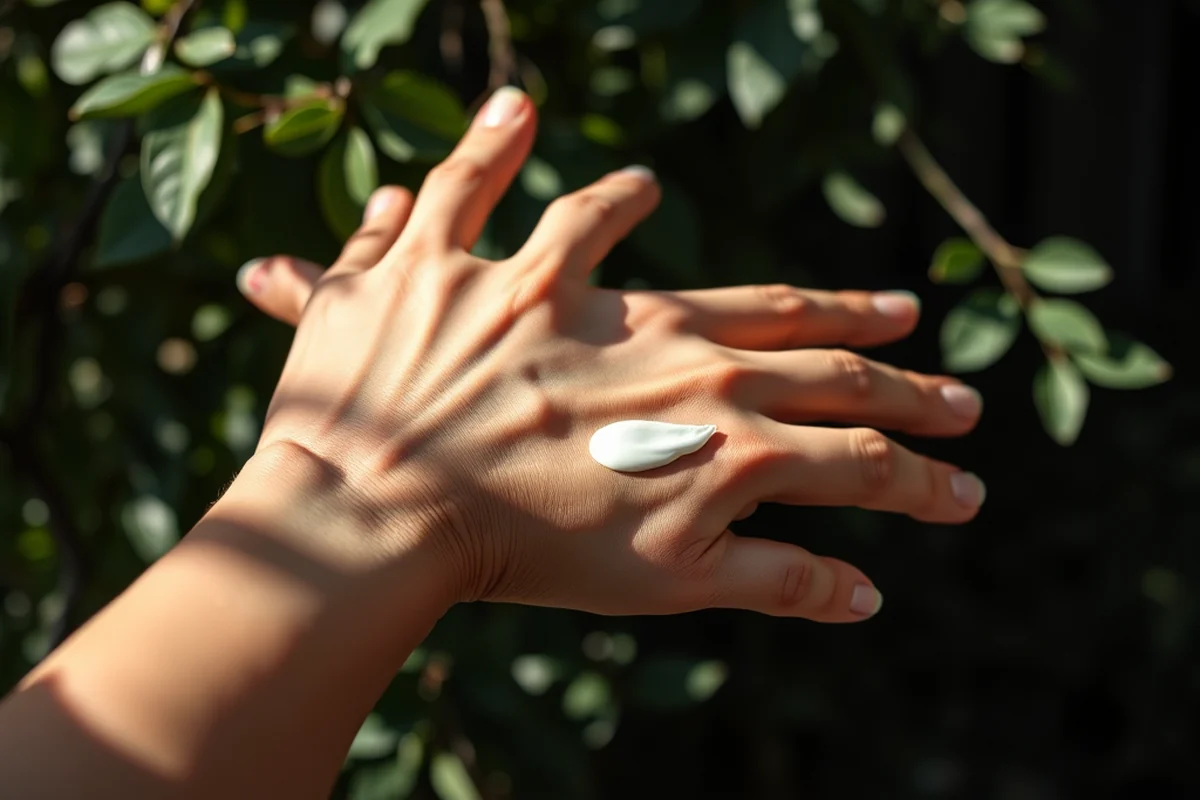
The first few nights using retinol, I felt my skin was pulling tight, like it was being stretched in all directions. It was uncomfortable, and I almost gave up. But after a few days, my skin started to feel smoother, and the tightness became less frequent.
I've learned that this tightness is part of the process. Retinol increases cell turnover, which can make your skin feel like it's in a transitional phase. It's important to keep using it — even if it feels uncomfortable at first.
Now, I apply retinol after my skin has fully dried from my moisturizer, which helps reduce the sensation of tightness. I also make sure to wait at least 30 minutes before applying any other products on top of it.[1]
“Tightness is temporary — it’s part of the journey to clearer skin.”
Related: Diy retinol for beginners mistakes
Choosing the Right Retinol Product for Your Skin Type
When I first started using retinol, I picked the strongest product I could find, thinking that more was better. But my skin didn't respond well. It turned out that the product was too harsh for my sensitive skin, and it caused more irritation than results.
Now, I look for products with a lower concentration of retinol, like 0.1% or 0.25%, and I prefer those that are formulated with soothing ingredients like hyaluronic acid or niacinamide. These help reduce irritation and make the product more comfortable to use.[2]
I’ve found that using a retinol serum instead of a cream can be gentler on the skin, especially if you're new to retinol. It allows for more controlled application and reduces the risk of overusing it.
Products with lower concentrations and added hydrating ingredients are easier to tolerate for sensitive skin and beginners.
“I remember the first time I applied retinol to my face — it felt like a chemical burn, and I panicked.”— Rampritual editors
Related: Simple retinol for beginners mistakes troubleshooting
How to Layer Retinol into Your Skincare Routine
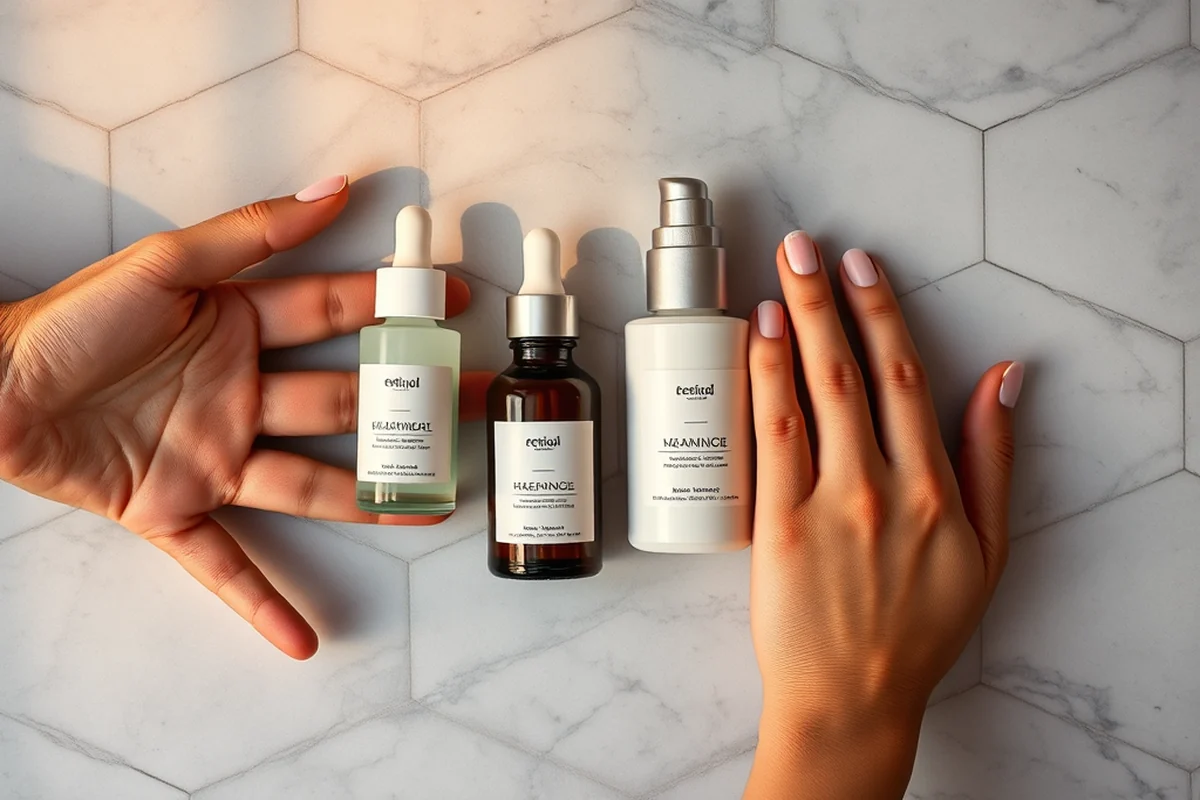
I used to apply retinol on top of my moisturizer, which only made things worse. My skin would feel dry and irritated, and I couldn't see any results. It took me some time to figure out that retinol should be applied before moisturizer, not after.
Now, I start with a clean face, apply retinol, wait a few minutes for it to absorb, and then follow with a thick, hydrating moisturizer. This helps the retinol work better and prevents my skin from feeling dry or tight.
I’ve also learned that using a vitamin C serum in the morning and retinol at night helps balance the routine. It gives my skin the best of both worlds without overwhelming it.
Related: Retinol for beginners mistakes checklist
Why Your Skin Breaks Out After Using Retinol
When I first started using retinol, I was shocked when my face broke out. I thought I was doing something wrong, but in reality, my skin was purging — a common side effect of retinol that happens in the first few weeks.
I learned that this breakout is temporary and is a result of retinol pushing dead skin cells to the surface. It's a sign that the product is working and that my skin is beginning to adjust to the new routine.
Now, I don't panic when I see a breakout. I keep using retinol, and after a few weeks, my skin becomes clearer and more even-toned. It's a small price to pay for long-term results.
🌸 Sensitive Skin Starter Routine
For those with sensitive skin, this routine uses lower concentrations of retinol and focuses on soothing ingredients.
💰 Budget-Friendly Retinol Routine
This routine uses affordable retinol products without compromising on quality or results.
🧼 Minimalist Retinol Routine
A simple routine that uses retinol alongside only a few other essential products for maximum simplicity.
🎯 Targeted Retinol Routine
This routine focuses on specific areas of concern, like fine lines or acne, and uses retinol strategically.
🔄 Maintenance Retinol Routine
For those who want to keep their skin clear and healthy after initial results are achieved.
| The mistake | Why it happens | The fix |
|---|---|---|
| Using retinol every night from the start | Starting with too much retinol can cause severe irritation, redness, and even peeling. | Start with every other night and gradually increase frequency as your skin adjusts. |
| Applying retinol on top of moisturizer | Applying retinol after moisturizer can reduce its effectiveness and cause irritation. | Apply retinol before moisturizer, allowing it to absorb fully. |
| Using a high concentration of retinol without building up | High concentrations of retinol can be too harsh for sensitive skin and cause breakouts or irritation. | Start with a lower concentration and increase as your skin builds tolerance. |
| Using retinol with other harsh products like AHAs or BHAs | Combining retinol with strong exfoliants can cause over-exfoliation, leading to dryness and irritation. | Avoid using AHAs or BHAs with retinol, or use them on alternate days. |
Related: Affordable retinol for beginners mistakes troubleshooting
Retinol For Beginners Troubleshooting Ideas
Related: Affordable retinol for beginners mistakes
How to Handle Retinol-Induced Redness and Irritation
If retinol causes redness or irritation, it’s important to pause, adjust, and reintroduce it carefully to avoid long-term damage.
The first time I experienced redness after using retinol, I panicked and stopped using it completely, which only made my skin feel more sensitive over time. I learned that the key is to pause, not abandon, and then reintroduce retinol gradually. I stopped using it for a few days, applied a soothing, anti-inflammatory moisturizer containing niacinamide and aloe vera, and waited for my skin to calm down. This helped me understand that retinol is not inherently harsh, but it needs to be managed carefully to avoid overstimulation.
After my skin had recovered, I reintroduced retinol at a much lower concentration and applied it only every other night, following it with a hydrating serum and a rich moisturizer. This allowed my skin to build a tolerance without triggering further irritation. I also made a point to avoid using other potentially irritating products like exfoliating toners or alcohol-based serums during this phase, as they can worsen redness and sensitivity. This approach helped me get back on track without losing progress.
I now use a patch test before starting any new retinol product, applying a small amount to a discreet area of my skin and waiting 24 hours to see if any adverse reactions occur. This precaution has saved me from unnecessary discomfort and has given me confidence in trying new retinol formulations. Over time, I’ve also learned to listen to my skin and adjust my routine based on how it feels, which has made my skincare journey much more sustainable and enjoyable.
How to Track Your Skin’s Response to Retinol Over Time
I started using a simple journal to log how my skin felt each morning and evening after applying retinol. I noted things like redness, dryness, or breakouts, and how often they occurred. This helped me see patterns, like how my skin reacted worse on days when I skipped moisturizer or used a harsh cleanser. Over time, I realized my skin adapted after about three weeks, and the initial irritation subsided.
I also took photos of my face every two weeks to visually track changes. This showed me that while my skin initially looked worse, it eventually became smoother and more even in tone. I used a skin hydration meter to measure my skin’s moisture levels before and after using retinol, which helped me understand the importance of pairing retinol with hydrating products like hyaluronic acid. This data made it easier to adjust my routine based on actual results, not just assumptions.
Tracking skin responses has also helped me identify when to pause retinol use if irritation flared up. I found that reducing frequency from every night to every other night gave my skin time to recover. By being consistent with my tracking, I’ve been able to use retinol more effectively without the frustration of trial and error. It’s a small habit that made all the difference in long-term success with retinol.
Common Questions
How long does it take to see results from retinol?
Can I use retinol with other acne treatments?
Is retinol safe for all skin types?
Can I use retinol during the day?
References
- How to Get Rid of White Sun Spots on Skin | Treatment Tips (dermatrials.medicine.iu.edu)
- Amy Elizabeth Defnet - UMB Digital Archive (archive.hshsl.umaryland.edu)
- Sweat and skincare: updating your routine during the hottest months (bcm.edu)
Cite this guide
Rampritual (2026). Retinol For Beginners Troubleshooting Ideas. https://rampritual.com/retinol-for-beginners-troubleshooting-ideas/
Feel free to cite or share this guide.