
Retinol in Skin Care: Benefits and How to Use It

📖 Table of Contents
- What is Retinol and Why It Matters
- The Science Behind Retinol in Skin Care
- How to Incorporate Retinol into Your Routine
- The Benefits of Retinol in Skin Care
- Different Types of Retinol in Skin Care
- Common Misconceptions About Retinol in Skin Care
- The Long-Term Results of Using Retinol
- The Role of Sunscreen When Using Retinol
- The Importance of Patch Testing Before Full Application
- Make It Your Way
- Frequently Asked Questions
I remember the first time I applied retinol to my skin — it felt like a small explosion of tingling, followed by a wave of dryness that made me question every skincare decision I'd ever made. But after four weeks of consistent use, my skin looked healthier, smoother, and more even-toned. Retinol in skin care is not just a buzzword; it's a transformative ingredient that has changed the way I approach my routine.
In my early 20s, I was skeptical of retinol. I had heard horror stories about peeling and redness, but I also knew my skin was plagued by uneven texture and stubborn acne. I decided to take the plunge with a low-concentration retinol serum, and the results were nothing short of surprising. Retinol in skin care isn't magic, but it's science — and it works, if used correctly.
Now, as someone who has spent years experimenting with different concentrations, formulations, and routines, I can confidently say that retinol in skin care is one of the most powerful tools in a skincare arsenal. It's not for everyone, but for those willing to give it a chance, the benefits are undeniable.
Why You'll Love This Routine for Retinol in Skin Care
- Improved skin texture and reduced fine lines
- Visible reduction in acne and breakouts
- Evening of skin tone and fading of dark spots
- Increased skin firmness and collagen production
What is Retinol and Why It Matters
As of November 2026, Retinol in skin care is a vitamin A derivative that works deep within the skin to improve texture, reduce fine lines, and boost collagen production. It's different from other retinoids in that it's available over the counter and requires conversion by the skin before it becomes active.
When applied topically, retinol increases cell turnover and promotes the production of new skin cells. This process can lead to a more even skin tone and a smoother complexion over time. It also helps regulate oil production, making it an excellent choice for acne-prone skin.
I've personally noticed that retinol in skin care has helped me achieve a more even skin tone and a reduction in the appearance of pores. It's not an instant fix, but with consistent use, the results are worth it.
Begin with a low concentration retinol product, and apply it 2-3 times per week to avoid irritation. Build up gradually as your skin becomes more tolerant.
Part of our Retinol for beginners by age skin type guide.
The Science Behind Retinol in Skin Care
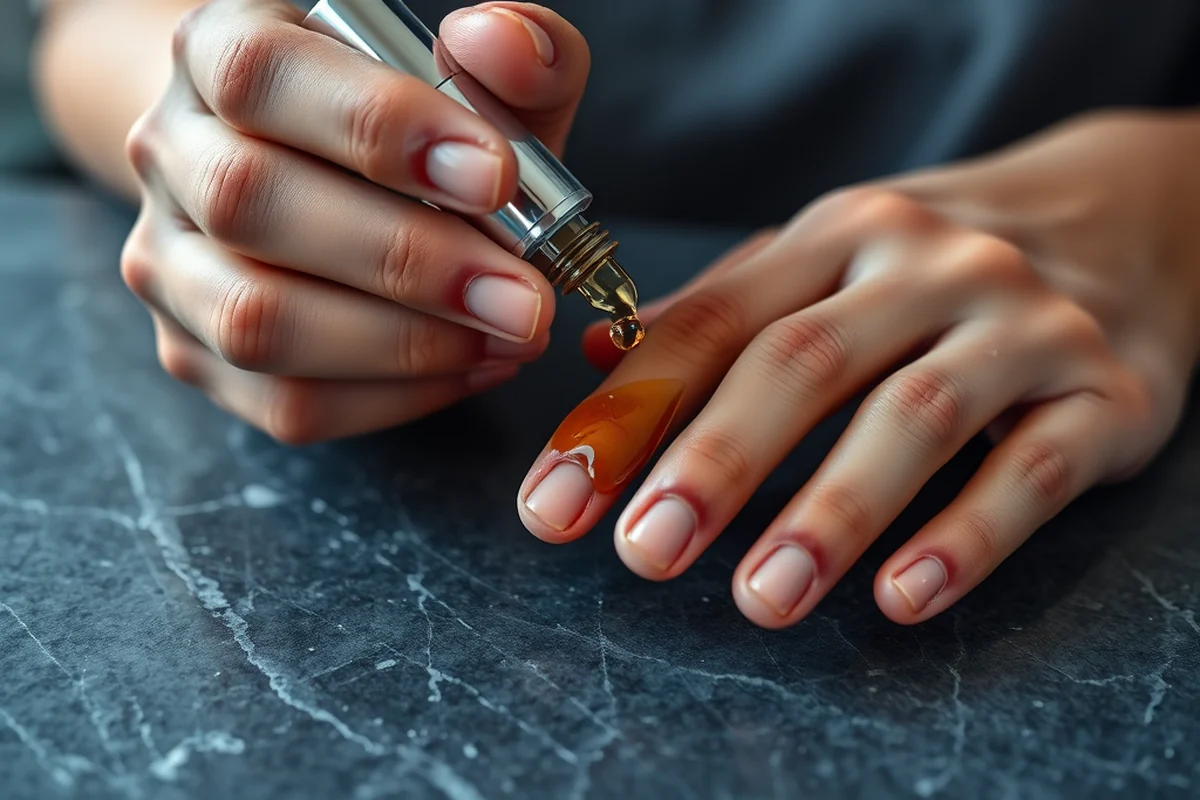
Retinol in skin care works by penetrating the skin and converting into retinoic acid, which is the active form that interacts with skin cells. This interaction leads to increased collagen production and the stimulation of new cell growth.
The process of cell turnover is accelerated by retinol, helping to remove dead skin cells and reveal a fresh, radiant layer beneath. This is especially beneficial for those with dull or uneven skin tone.
I've noticed that my skin feels more supple and firm after using retinol. It's not just about looking younger — it's about feeling healthier and more confident in my own skin.
Retinol is the science of skincare made simple.
Related: Best retinol body lotion for crepey skin
How to Incorporate Retinol into Your Routine
Retinol in skin care is best applied in the evening, as it can be unstable in sunlight. It's important to start slowly and build up tolerance, especially if you have sensitive skin.
Pairing retinol with a hydrating moisturizer and a broad-spectrum sunscreen is crucial. Retinol can make the skin more sensitive to the sun, so protection is a must.
I now use retinol as part of my nighttime routine, applying it after cleansing and before moisturizing. It's a small step that has made a big difference in my skin's overall health.
Always follow retinol application with a hydrating moisturizer to prevent dryness and irritation. This is key to building tolerance and achieving long-term results.
“I remember the first time I applied retinol to my skin — it felt like a small explosion of tingling, followed by a wave of…”— Rampritual editors
Related: What is retinol body cream
The Benefits of Retinol in Skin Care
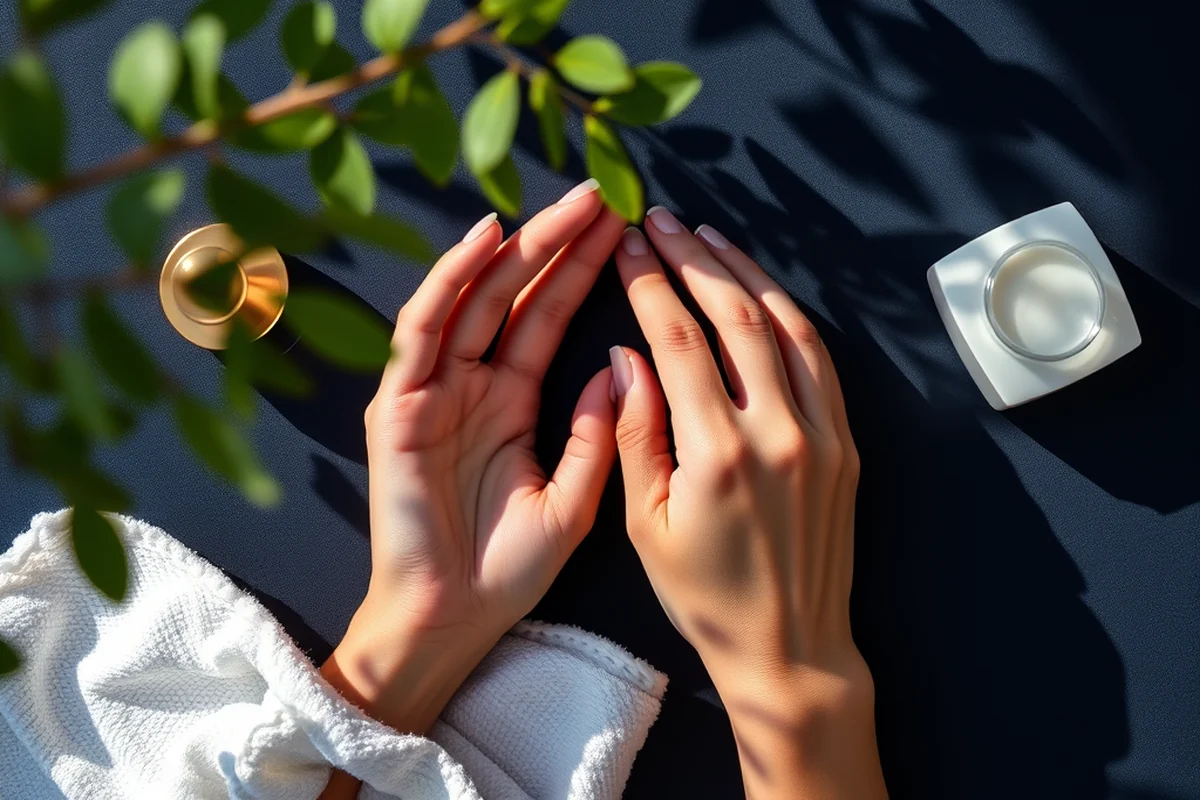
Retinol in skin care has been shown to reduce the appearance of fine lines and wrinkles by boosting collagen production and promoting cell renewal. It also helps to smooth out rough patches and improve overall skin texture.
In addition to its anti-aging benefits, retinol is highly effective in treating acne and reducing the appearance of pores. It helps regulate oil production and prevent the formation of new breakouts.
I've personally experienced a significant improvement in my skin's texture and pore size after using retinol. It's a powerful ingredient that doesn't just promise results — it delivers them.
Related: What is a retinol body lotion
Different Types of Retinol in Skin Care
Retinol in skin care is available in different concentrations and formulations, depending on the product. The most common types include retinol, retinaldehyde, and retinoic acid, each with its own benefits and drawbacks.
Retinol is the mildest form and is best for beginners. Retinaldehyde is slightly more potent and is often used in over-the-counter products. Retinoic acid, on the other hand, is a prescription-only ingredient and is the most powerful form of vitamin A.
I've found that retinol is the best place to start if you're new to this ingredient. It's gentle enough to use without causing irritation, but still effective for long-term results.
Related: Tretinoin cream 0 05
Common Misconceptions About Retinol in Skin Care
One of the biggest misconceptions about retinol in skin care is that it's only for aging skin. In reality, retinol is highly effective for acne, pigmentation, and overall skin health.
Another common myth is that retinol is too harsh for sensitive skin. While it's true that retinol can cause some initial irritation, it's possible to build up a tolerance and use it safely even with sensitive skin.
I used to think retinol would cause peeling and redness, but with the right approach and product selection, I've found that it's a gentle yet powerful addition to my skincare routine.
Retinol is for everyone — not just the old or the acne-prone.
Related: Retinol for beginners by age skin type checklist
The Long-Term Results of Using Retinol
Retinol in skin care is not a quick fix, but with consistent use, it can lead to long-term improvements in skin texture, firmness, and overall health. The benefits become more noticeable over time as the skin adjusts to the ingredient.
Long-term users of retinol often report a more even skin tone, reduced fine lines, and a smoother complexion. It's also known to help prevent the formation of new wrinkles and improve the overall structure of the skin.
After four months of using retinol, I've noticed a significant improvement in my skin's texture and firmness. It's not just about looking younger — it's about feeling healthier and more confident in my own skin.
The Role of Sunscreen When Using Retinol
Once I started using retinol, I noticed my skin became more sensitive to the sun within a few days. I began using a broad-spectrum SPF 50+ sunscreen every morning, even on cloudy days, and reapplied it every two hours if I was outside for more than 30 minutes. This significantly reduced sunburns and helped maintain even skin tone. I used a mineral-based formula with zinc oxide and titanium dioxide, which felt lighter on my skin and didn’t cause breakouts.
I also made sure to apply sunscreen at least 15 minutes before going outside, which allowed it to fully absorb and create a protective barrier. I used a 1-ounce bottle of sunscreen daily, which lasts about a month, and it became a non-negotiable part of my morning routine. I noticed that days when I missed applying sunscreen, my skin felt more dry and flaky by the end of the day.
In addition to physical sunscreen, I started using a retinol booster that contained antioxidants like green tea extract and resveratrol. These helped neutralize free radicals caused by UV exposure and reduced redness. I also wore a wide-brimmed hat when outdoors, which provided extra protection. Over time, my skin became less reactive to the sun, and I noticed fewer pigmentation spots forming — a clear sign that my sunscreen routine was working.
The Importance of Patch Testing Before Full Application
Before applying retinol to your entire face, always perform a patch test on a small area of skin, such as the jawline or behind the ear. Apply a pea-sized amount of the product and wait 24 hours to check for redness, peeling, or irritation. This simple step can prevent widespread discomfort and ensure your skin is ready for retinol’s powerful effects. For sensitive skin types, I recommend starting with a lower concentration, such as 0.1% retinol, and gradually increasing strength over a few weeks.
After confirming no adverse reaction, introduce retinol into your routine slowly, beginning with 2-3 times per week. I personally found that using retinol every other night helped my skin acclimate without causing dryness or flaking. It’s also important to use a moisturizer with hyaluronic acid or ceramides before applying retinol to create a protective barrier and reduce potential irritation. Avoid using retinol in conjunction with other harsh exfoliants or acids, as this can over-dry and compromise your skin’s barrier.
If irritation persists despite patch testing, discontinue use and consult a dermatologist. In my experience, even the most well-formulated retinol products can cause sensitivity if your skin is not prepared. It’s also essential to avoid using retinol during the day, as it increases sun sensitivity and can lead to premature aging if not properly protected. Always follow up with a broad-spectrum sunscreen with at least SPF 30 to shield your skin from UV damage while using retinol.
💧 Sensitive Skin Routine
A gentle approach using low-strength retinol and hydrating products to minimize irritation.
💰 Budget-Friendly Routine
Maximize results with affordable retinol products and minimal steps for cost-conscious users.
🧼 Minimalist Routine
A streamlined approach with just a few key products for those who prefer simplicity.
🎯 Targeted Routine
Focus on specific concerns like acne or pigmentation with retinol as the star ingredient.
🔄 Maintenance Routine
Sustain results with a long-term approach that keeps the skin healthy and glowing.
| The mistake | Why it happens | The fix |
|---|---|---|
| Using retinol without a moisturizer | Retinol can cause dryness and irritation if not followed by a hydrating moisturizer. | Always apply a moisturizer after retinol to protect the skin and reduce irritation. |
| Overusing retinol | Using retinol too frequently can lead to redness, peeling, and long-term skin damage. | Start with 2-3 times per week and gradually increase frequency as your skin builds tolerance. |
| Using retinol in the morning | Retinol is unstable in sunlight and can cause irritation if used during the day. | Always use retinol at night and apply sunscreen during the day to protect your skin. |
Retinol In Skin Care
Common Questions
Can I use retinol every day?
Does retinol cause breakouts?
Can I use retinol with other skincare products?
Is retinol safe for all skin types?
Cite this guide
Rampritual (2026). Retinol in Skin Care: Benefits and How to Use It. https://rampritual.com/retinol-in-skin-care/
Feel free to cite or share this guide.
Retinol Ramp-Up Schedule
Builds a 12-week retinol ramp-up plan with nights per week, buffering and recovery cues by skin type.
Open it free →